

Walk into a beautifully lit home and you rarely notice the fixtures. You notice the room: the warmth of the stone, the depth of the artwork, the glow that seems to come from the architecture itself. That effect is never an accident. It comes from layered lighting design, a discipline that interior designers and home technology integrators like ioty practice together on every luxury residence we light in Miami and South Florida.
What are the layers of lighting design?
Professional lighting design is built on three core layers (ambient, task, and accent) with a fourth, decorative lighting, completing the composition. Each layer has a distinct job, and a room only feels finished when all of them work in concert.
Ambient lighting is the foundation: the soft, general illumination that lets you move through and read a space. In a luxury home it almost never comes from a single ceiling fixture. It is distributed instead across small-aperture recessed downlights, cove lighting, and indirect sources that wash ceilings and walls, so the room glows rather than glares.
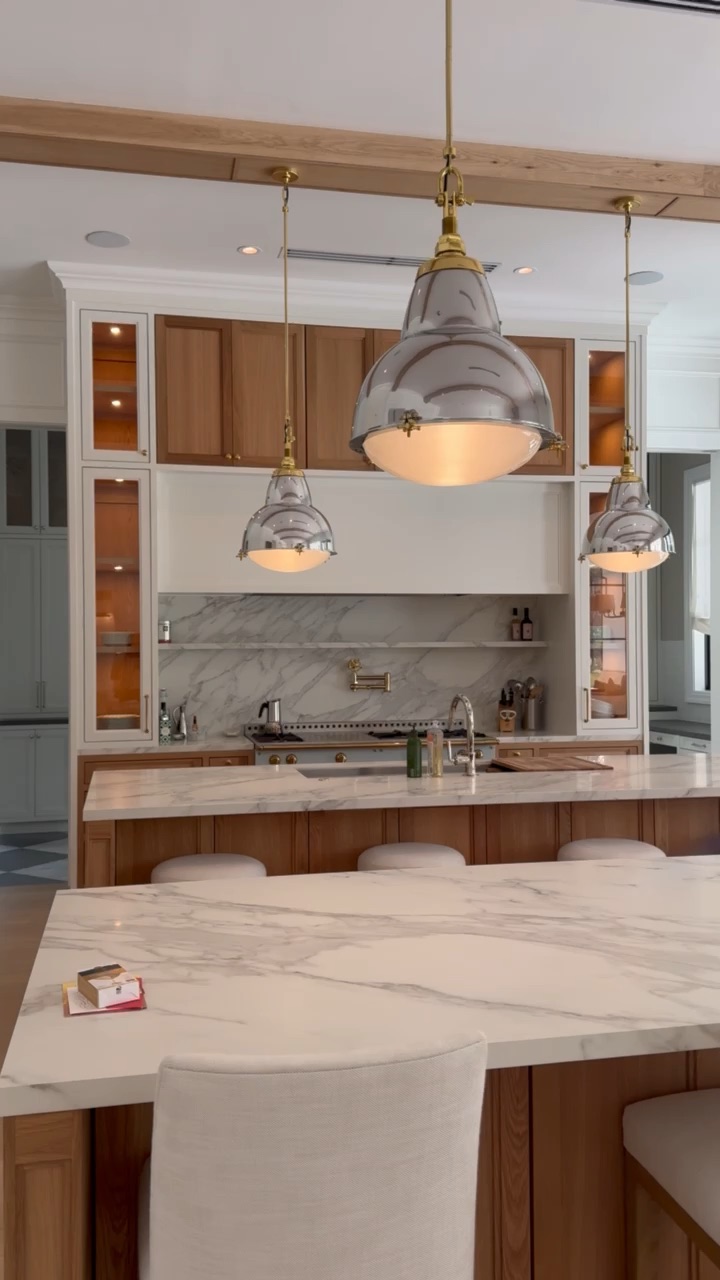
Task lighting puts focused light exactly where you need it: over the kitchen island, at the bathroom vanity, beside a reading chair, above a desk. Good task lighting is bright yet comfortable, and positioned so you never work in your own shadow.
Accent lighting is the editorial layer. It tells your eye where to look: a painting, a sculpture, a textured plaster wall, the palms outside a floor-to-ceiling window. Adjustable downlights, wall washers, and concealed linear fixtures create the contrast that gives a room depth and drama.
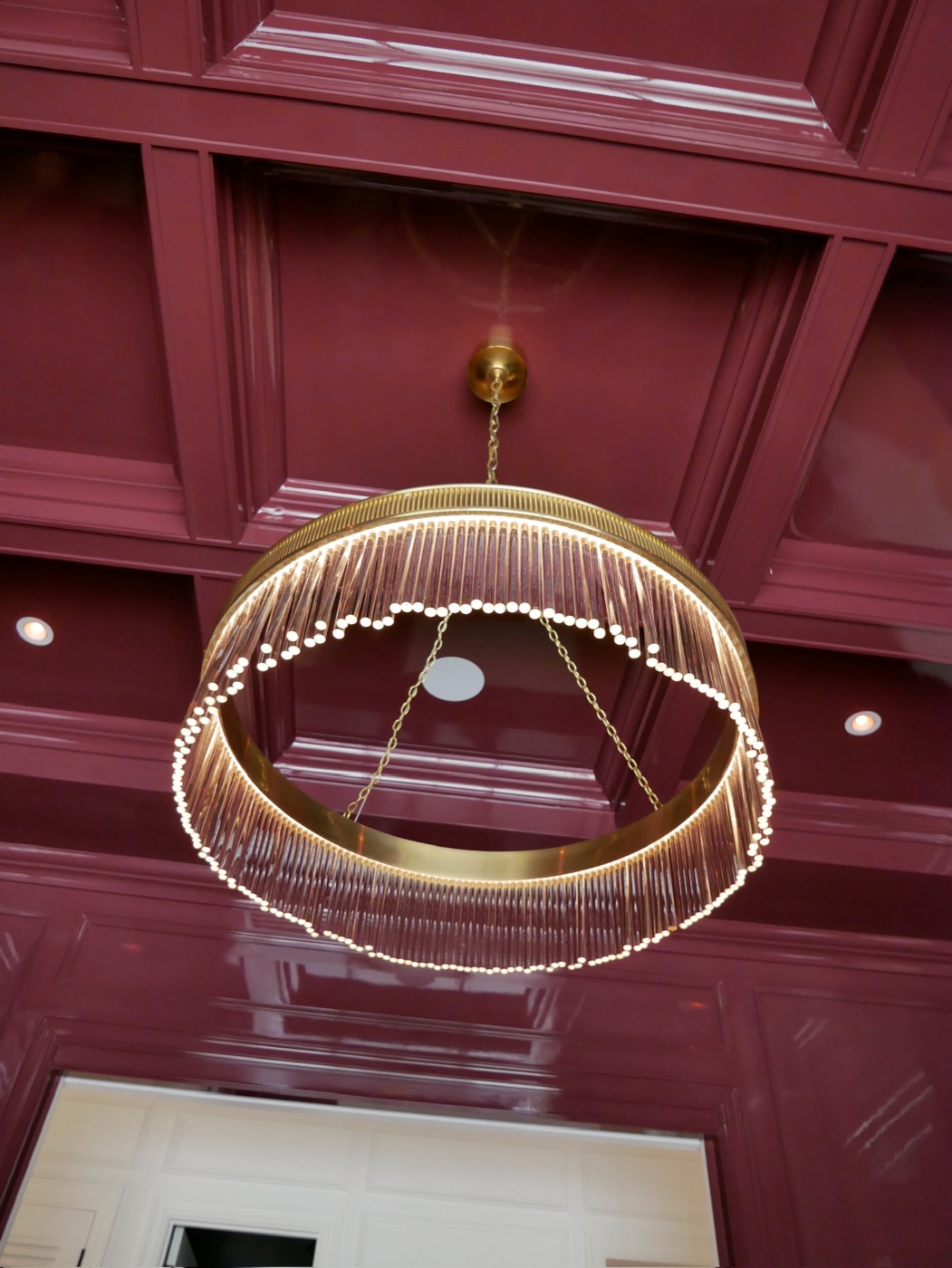
Decorative lighting is the jewelry: chandeliers, sconces, and sculptural pendants. Statement fixtures are increasingly treated as art in their own right, but they still depend on the other three layers to carry the actual work of illumination.
Why does layered lighting matter more in a luxury home?
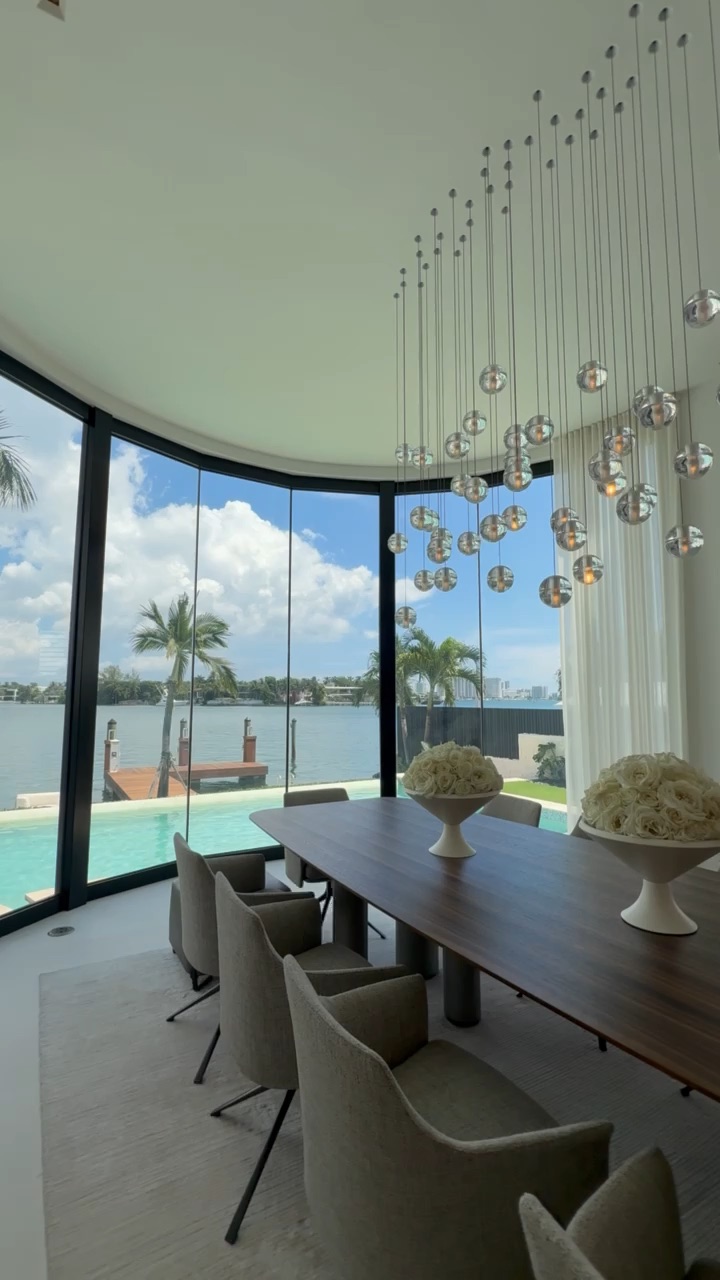
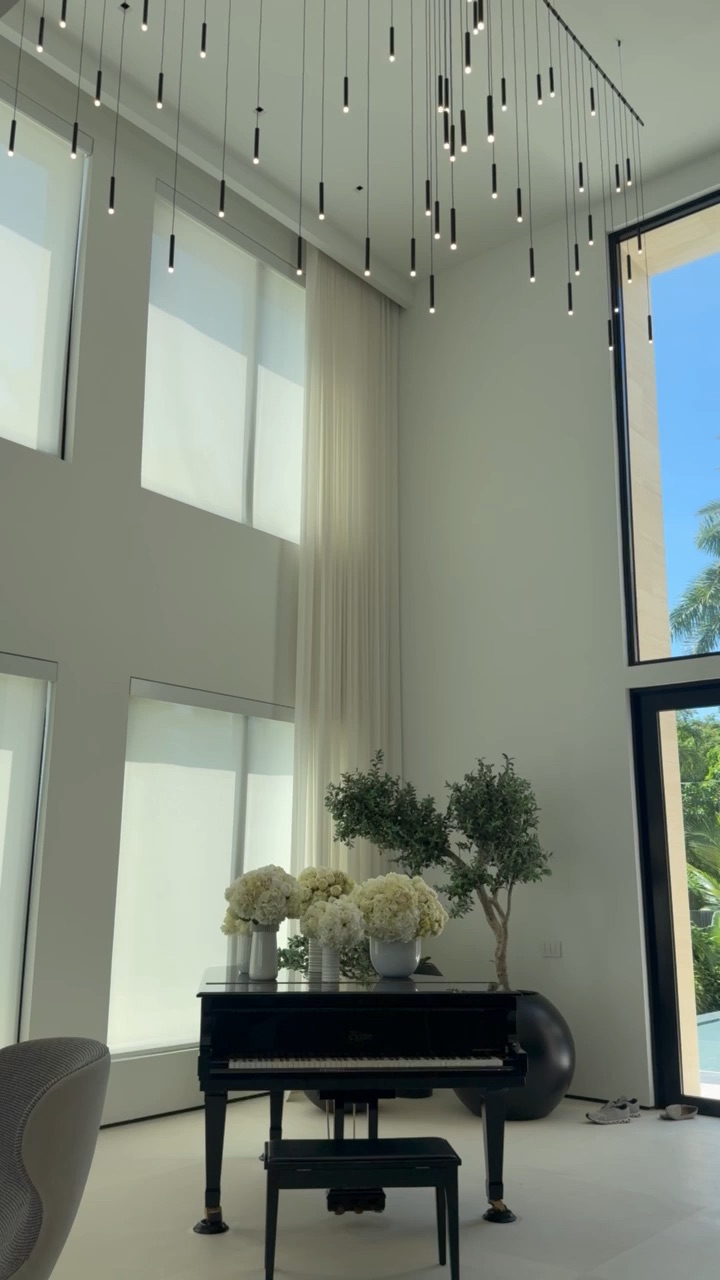
Because luxury architecture gives light more to do. High ceilings, open floor plans, serious art, rich material palettes, and, in South Florida, walls of glass facing the water all demand light that can be shaped, aimed, and tuned. A single layer of overhead lighting flattens a meticulously finished interior into something that photographs like an office.
Layering solves this. Ambient light establishes comfort, task light makes the home function, and accent light keeps the investment in architecture, finishes, and art visible after sunset. In Miami condos and waterfront homes, layered lighting also manages the transition from intense daylight to evening, so walls of glass never become black mirrors after dark.
Who designs the lighting: the interior designer or the integrator?
Both, and the best results happen when they collaborate from the earliest design phase. The designer defines the creative intent: what should be lit, what mood each room carries, which fixtures make an aesthetic statement. The integrator engineers how that intent is achieved and controlled: fixture selection and aiming, dimming performance, zoning, control programming, and how lighting coordinates with motorized shades and audio.
At ioty, we work alongside architects, interior designers, and builders throughout South Florida as the technology partner on the lighting plan. We handle the layers a designer can’t draw on a furniture plan: circuiting, low-voltage infrastructure, Lutron HomeWorks programming, and the scene design that turns hundreds of individual sources into one-button moments like Dinner, Art, or Goodnight.
What technology do integrators use to build lighting layers?
The current benchmark is Lutron’s Intelligent Lighting portfolio, Ketra and Orluna, controlled by Lutron HomeWorks. Lutron acquired Orluna, a UK maker of architectural downlights, in June 2025, and at ISE 2026 it announced an expanded Intelligent Lighting line spanning Ketra downlights, lamps, and linear fixtures alongside Orluna’s architectural family.
Ketra remains the reference for tunable, natural light. Its four-channel light engine produces color temperatures from 1,400K (warmer than candlelight) to 10,000K (cooler than daylight), holding CRI and R9 above 90 across the 2,700K to 5,000K range where homes live most of the day. Each Ketra source is individually addressable and wirelessly controlled, which means every downlight, lamp, and linear cove can belong to any layer, and can be re-zoned later without opening a wall.
That addressability changes what the layers can do. The same downlights that deliver crisp ambient light at noon can warm into a candlelight-toned accent scheme at dinner, while Ketra’s Natural Light Show shifts the whole system automatically to track the sun. A layer stops being a fixed category of hardware and becomes a role the light plays, scene by scene.
How do lighting scenes bring the layers together?
Scenes are where layered design pays off daily. Instead of a wall of dimmers, a Lutron keypad or app recalls compositions. Entertain might hold ambient light at 40 percent, push accent light onto the art, and warm everything to 2,400K; Morning raises cool, bright ambient light to help the household wake. Scenes can also coordinate with Lutron motorized shades, so daylight itself becomes another layer the system manages.
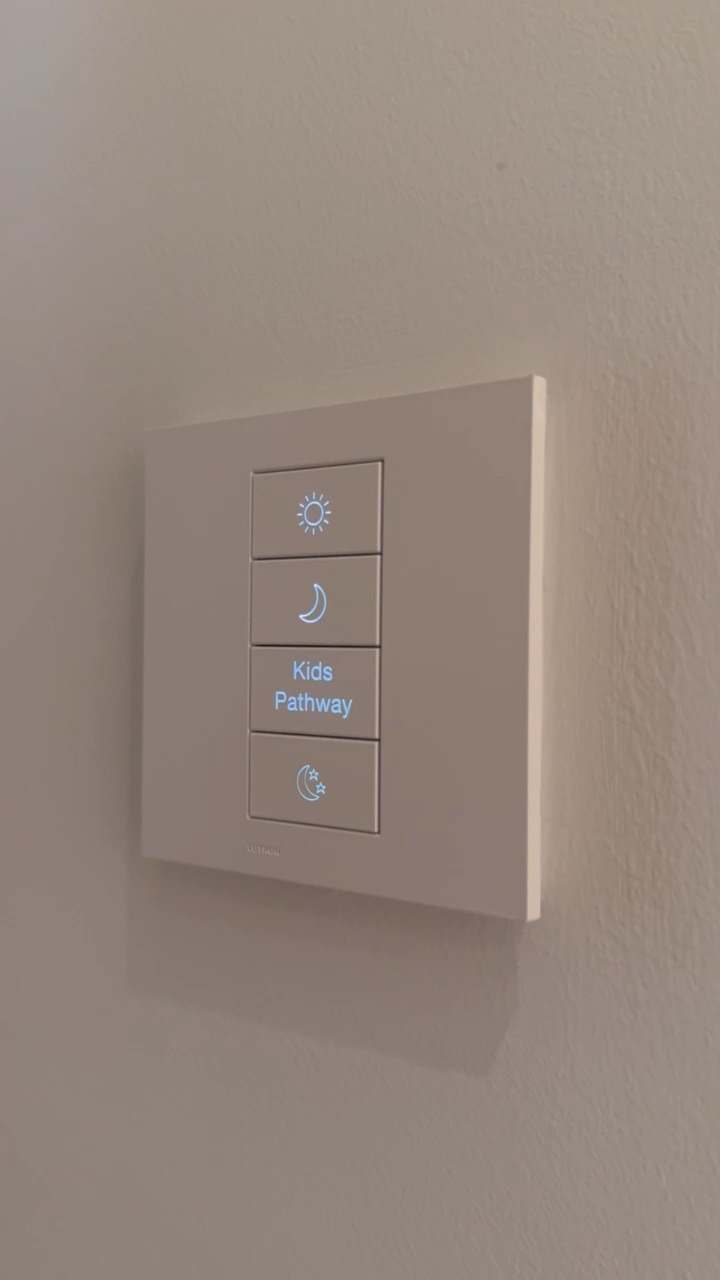
This is the part of lighting design that is hard to appreciate on paper and easy to understand in person. In ioty’s showrooms in the Miami Design District and Doral, you can stand in a finished room and watch the layers change: the same space shifting from bright and energizing to intimate and gallery-like at the touch of a keypad.
What does the process look like on a real project?
Start early, ideally at the architectural design phase, before drywall. A typical ioty lighting project moves from design collaboration with your designer and architect, to a lighting plan with a fixture schedule and control zoning, through pre-wire, installation and aiming, and finally scene programming and a room-by-room walkthrough. On renovations and condos, wireless intelligent fixtures make sophisticated layering possible even where new control wiring isn’t practical.
Frequently asked questions
What are the four layers of lighting design?
Ambient (general illumination), task (focused functional light), accent (light that highlights art and architecture), and decorative (chandeliers, sconces, and statement fixtures).
Do I need a lighting designer and an integrator?
On a luxury project they serve different roles: the designer defines the creative intent, and the integrator engineers the fixtures, controls, and scenes. ioty partners with designers and architects across South Florida as the lighting control and technology integrator.
What is the difference between Ketra and regular LED downlights?
Ketra fixtures use a four-channel light engine that tunes from 1,400K to 10,000K while holding CRI and R9 above 90 in the everyday range, and each fixture is individually addressable and wirelessly controlled. Standard LEDs are fixed at one color temperature and dim as a group.
Can layered lighting be added to an existing condo?
Yes. Wireless intelligent fixtures like Ketra need only mains power, with no dedicated control wiring, which makes designer-grade layered lighting practical in existing Miami condos.
How much does a layered lighting system cost?
It varies with home size, fixture count, and fixture grade. The most cost-effective path is involving your integrator early, while circuiting and infrastructure decisions are still open. ioty provides project-specific proposals after a design consultation.
Where can I see layered lighting in person?
In ioty’s showrooms in the Miami Design District and Doral, where finished rooms demonstrate ambient, task, and accent layers, and full lighting scenes, live.
Layered light is easiest to understand standing inside it.
If you’re planning a new build or renovation in Miami or anywhere in South Florida, visit ioty’s Miami Design District or Doral showroom to experience layered lighting live — or contact ioty to start the conversation with your designer and architect at the table.