

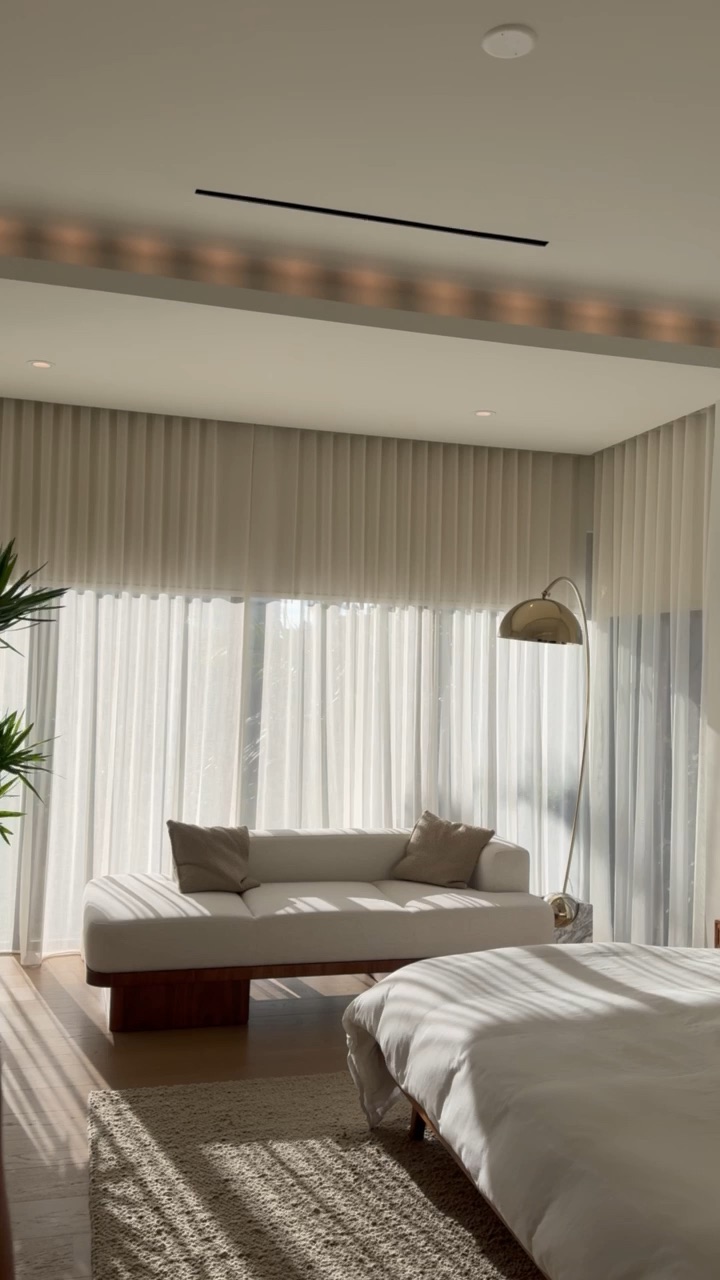
Circadian lighting is light that changes in color temperature and intensity through the day to match the natural progression of sunlight: bright and blue-rich at midday, warm and dim in the evening. The goal is to give the body’s internal clock the same cues it would get outdoors, instead of the flat, unchanging color temperature most homes run from 7 AM to 11 PM.
The term sounds like wellness marketing, but the machinery behind it is specific. The human circadian system relies on light striking specialized cells in the retina, called intrinsically photosensitive retinal ganglion cells (ipRGCs), which regulate melatonin production, alertness, and sleep timing. Sleep researchers have spent two decades quantifying how much light, at what color temperature and time of day, measurably shifts that system. That research is the foundation of circadian lighting design; the fixtures are simply the delivery mechanism.
How does indoor light actually affect sleep and energy?
Light timing shifts the body’s melatonin release, and blue-rich light in the evening is the biggest offender. In a Harvard Medical School comparison, 6.5 hours of blue light suppressed melatonin for roughly twice as long as an equally bright dose of green light, and shifted circadian rhythms by twice as much: a 3-hour shift versus 1.5 hours. Separate research cited by Harvard found that as little as 8 lux of evening light can measurably interfere with melatonin secretion and circadian timing. That is dimmer than most table lamps.
The reverse matters just as much. Too little bright light during the day, which is the reality for most people working indoors, flattens the daytime alertness signal and leaves the evening’s light exposure relatively more disruptive. The real mechanism behind circadian lighting is getting both directions right: brighter, cooler light while the sun is up, and a genuine wind-down after it sets.
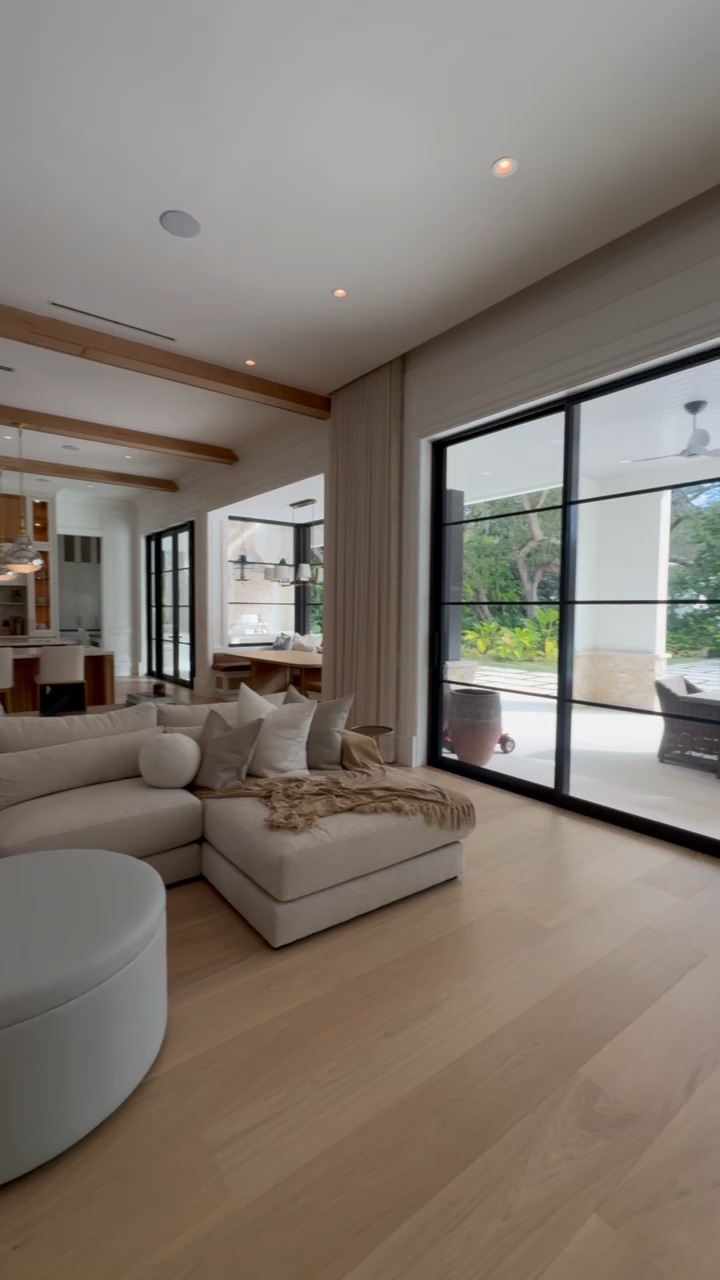
What do sleep scientists recommend for daily light exposure?
In 2022, an international panel of circadian and sleep researchers published consensus recommendations in PLOS Biology, with targets measured in melanopic equivalent daylight illuminance (melanopic EDI), a metric that reflects how strongly light drives the ipRGCs rather than how bright a room looks to the eye. The numbers: at least 250 lux melanopic EDI during the day (daylight is the best source), no more than 10 lux in the three hours before bedtime, and no more than 1 lux in the sleep environment once the lights are out.
A single dimmer can’t reach those targets. A living room dimmed at 6 PM is still emitting the same blue-rich spectrum it emitted at noon; dimming reduces brightness without shifting the spectrum. Hitting the numbers requires fixtures that change spectrum as well as intensity, on a schedule tied to sunrise and sunset at that specific address.
Is circadian lighting the same as the WELL Building Standard?
Not exactly, but the two are built on the same science. The WELL Building Standard, used mostly in commercial and multifamily design, includes a formal circadian lighting design feature with its own melanopic thresholds for occupied spaces. Residential circadian design applies the same research per room and per household rather than to a certified building standard; a home doesn’t need to pursue WELL certification to benefit from the principles it’s built on.
The practical takeaway from WELL’s framework is that circadian lighting is measurable. A well-executed system can be checked against real melanopic EDI targets in the rooms that matter most, rather than judged on whether it looks warmer at night.
How is this actually implemented in a smart home?
An integrator ties tunable-white fixtures to a whole-home lighting control platform and programs a daily curve rather than a single “on” setting, tied to actual sunrise and sunset. Miami runs on a different solar clock than the Northeast, so the curve is built for the home’s real coordinates.
ioty’s platform of choice is Lutron Ketra, which we cover in depth in a dedicated post: its color range, fixture lineup, and how it integrates with Lutron HomeWorks, RA3, and QSX. The point worth repeating here is narrower. Circadian programming is only as good as the research targets behind it, and those targets are what separate a system that does something measurable from one that just looks nice.
Where does circadian lighting matter most in a home?
Bedrooms and primary suites see the biggest benefit, since evening dimming and true warm color temperature in that space directly targets the pre-bedtime melanopic window sleep researchers flag. Home offices and kitchens come next: concentrated daytime hours, where higher, cooler, more daylight-like output supports alertness. Formal living and dining rooms gain more from mood and layered composition than from strict circadian programming, since they’re used intermittently; our post on lighting design layers covers that side of the discipline.
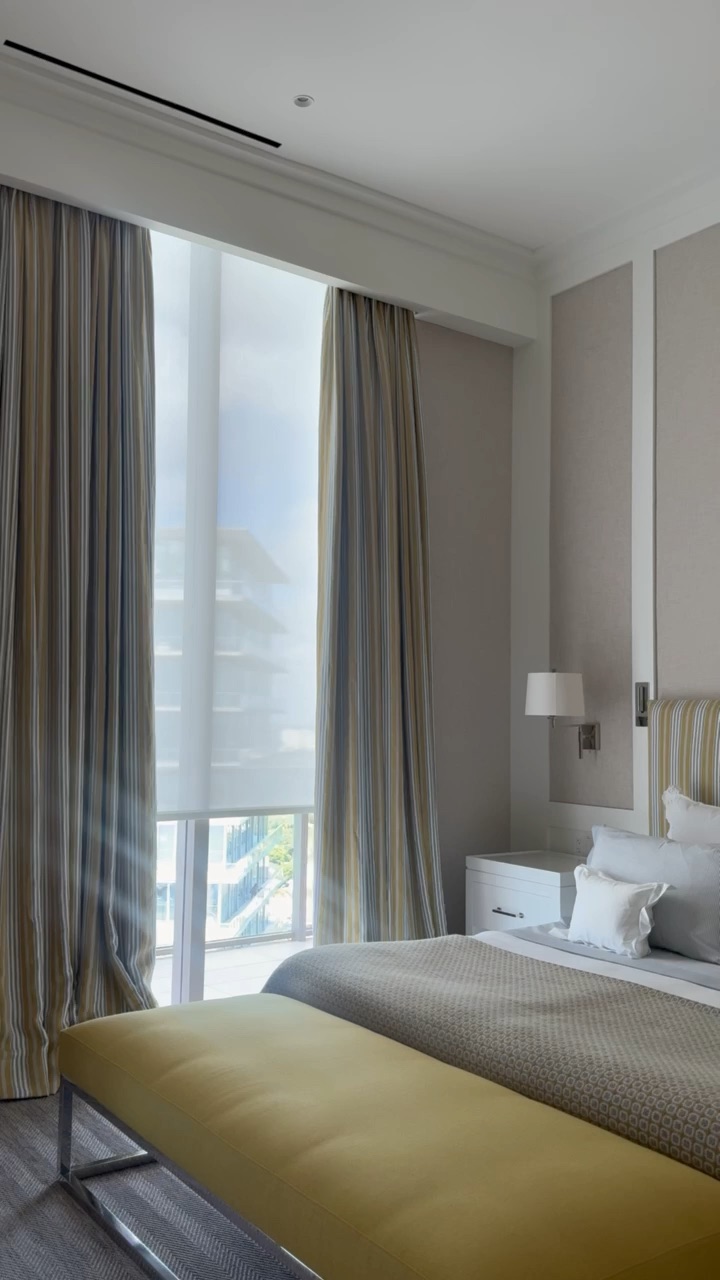
Can you experience circadian lighting before installing it?
Yes, and it’s one of the few smart home features that’s genuinely hard to judge from a spec sheet, because the point is how the light feels as it shifts. ioty’s showrooms in the Miami Design District and Doral run live tunable-lighting installations that cycle through a full daily arc in minutes rather than hours, paired with the motorized shading that manages daylight from the other side of the glass.
Frequently asked questions
Does circadian lighting actually improve sleep, or is it just a comfort feature?
The mechanisms are grounded in published research: melanopic EDI targets from the 2022 PLOS Biology consensus study and melatonin-suppression data from Harvard Medical School. Individual results still depend on a household’s full light environment, including screens and time outdoors. ioty, a home technology integrator based in Doral, Miami, positions it as a supporting tool alongside consistent sleep habits.
What’s the difference between circadian lighting and just using warmer bulbs at night?
A warm bulb that stays warm all day doesn’t give the circadian system the contrast it uses as a time cue. The system needs bright, cooler light during the day and a genuine shift to warm, dim light in the evening. Static warm lighting also under-lights daytime spaces relative to the 250 lux melanopic EDI daytime target researchers recommend.
Is circadian lighting design based on real research, or is it a marketing term?
It’s based on real, published research. The WELL Building Standard formalizes circadian lighting design with specific melanopic thresholds for commercial and residential buildings, and the underlying science comes from peer-reviewed circadian and sleep research rather than manufacturer claims.
Do I need a specific brand of tunable lighting for circadian programming, or does any smart bulb work?
Consumer tunable bulbs can shift color temperature, but a whole-home circadian schedule needs a control platform that can run a continuous daily curve tied to the home’s actual sun position rather than a handful of preset scenes. We design these systems around Lutron Ketra; our dedicated Ketra post covers the platform in full.
Can circadian lighting be added to an existing home, or does it require new construction?
Both are possible. Retrofit-friendly tunable fixtures exist for existing ceilings and lamp sockets, though new construction allows more flexibility in fixture placement and layering.
Can I see circadian lighting in person before deciding on it for my home?
Yes. ioty’s Miami Design District and Doral showrooms have live tunable-lighting installations you can watch cycle through daylight-to-evening transitions, alongside the motorized shading they’re designed to work with.
Daylight has a schedule. Your lighting can keep it.
Reading about circadian lighting only goes so far; the shift from midday to evening is something you feel. Visit ioty’s showroom in the Miami Design District or Doral to watch a live tunable-lighting installation move through its daily arc, or contact ioty to talk through what circadian lighting design would look like for your home’s layout and schedule.